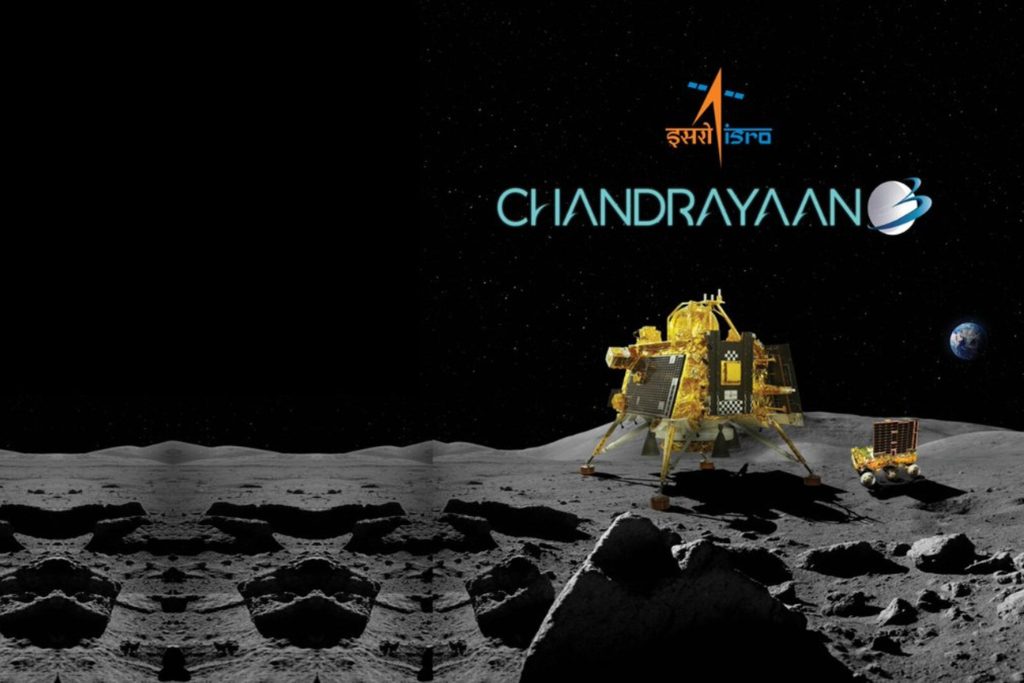
Today, we embark on a thrilling journey to explore the wonders of Chandrayaan Mission 3 and its profound impact on the realm of space research and technology. Brace yourselves for an out-of-this-world adventure as we delve into the significance of this groundbreaking mission that promises to propel humanity further into the cosmos. From unveiling lunar mysteries to paving the way for future interplanetary explorations, Chandrayaan Mission 3 is set to revolutionize our understanding of outer space. So grab your spacesuits and get ready to be awestruck by India’s ambitious venture that will leave an indelible mark in history books… and beyond!
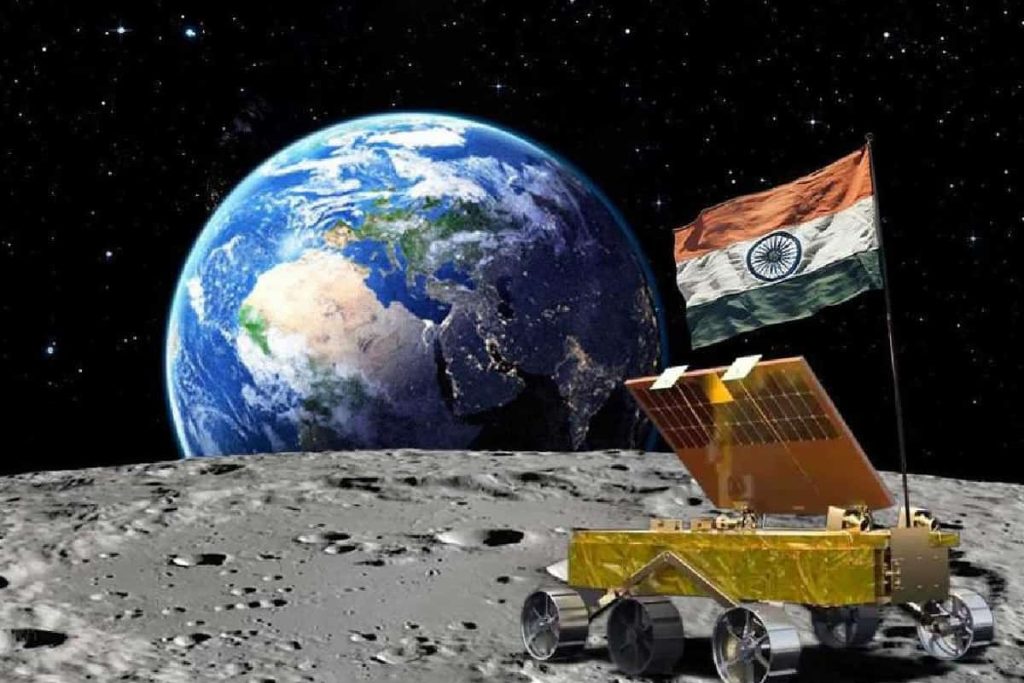
Introduction to Chandrayaan Mission 3
The Chandrayaan mission is India’s third lunar exploration mission after Chandrayaan-1 and Chandrayaan-2 and is planned as an extended version of the previous missions. The orbiter, lander, and rover have been designed and developed in India and will be launched by GSLV Mk III in 2022.

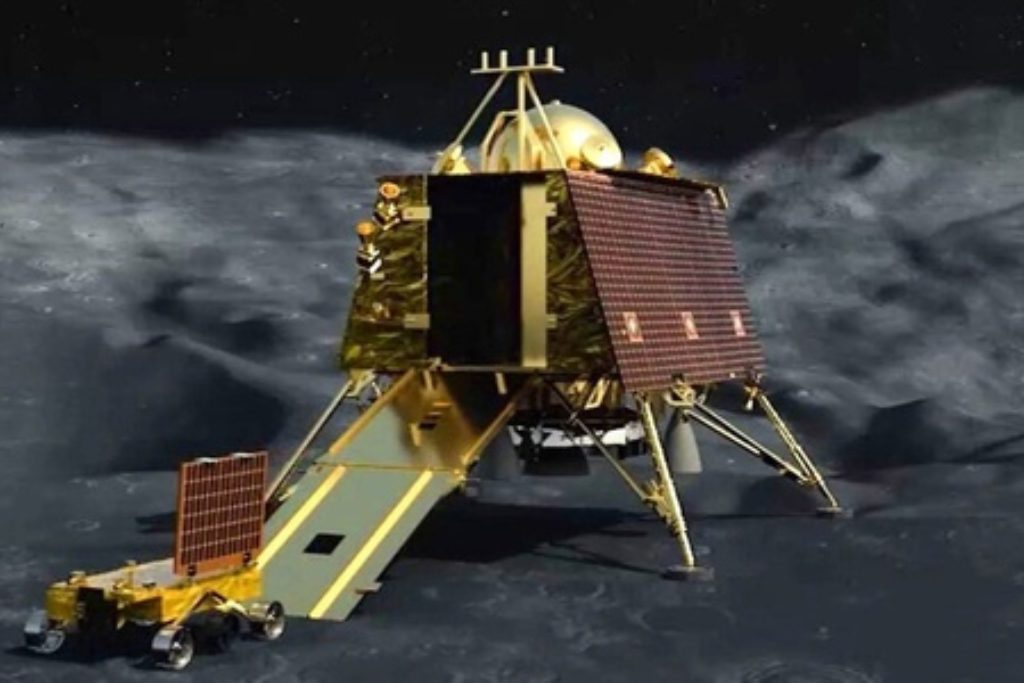
The primary objective of the Chandrayaan-3 mission is to demonstrate the technology for a soft landing on the Moon and to deploy a rover on the surface. The secondary objectives include carrying out mineralogical and elemental studies of the lunar surface using the rover’s payload and conducting science experiments from orbit using the orbiter’s payload.
The lander will be equipped with scientific instruments to study the lunar surface. The rover will carry out chemical analysis of soil and rock samples, and will also image the lunar surface. The orbiter will map the lunar surface with high-resolution cameras and carry out mineralogical studies.
The Chandrayaan-3 mission will provide valuable data that will help in understanding the Moon’s origin and evolution, as well as its resources. The data collected by the mission will also be useful for planning future human exploration missions to the Moon.
Overview of the Mission
The Chandrayaan mission was launched by the Indian Space Research Organization (ISRO) in October 2008. The mission was India’s first interplanetary mission and was executed over a period of two years. The objective of the mission was to study the moon’s surface and composition.
The Chandrayaan mission made several significant contributions to space research and technology. The data collected by the mission has helped scientists better understand the moon’s surface and composition. The mission has also helped advance India’s capabilities in interplanetary missions.
Benefits of the Mission
The first Chandrayaan mission was launched in October 2008 and was India’s first foray into interplanetary space. The mission was widely acclaimed for its low cost and high scientific value. The Chandrayaan mission put India on the map of global space exploration.
The primary objectives of the mission were to:
1) Develop an indigenous capability for designing, building, launching, and operating an interplanetary spacecraft;
2) Study the moon’s surface composition and mineralogy;
3) Study the moon’s exosphere and ionosphere;
4) Demonstrate the technology for soft landing on the moon; and
5) Enable future robotic and human exploration of the moon.
The Chandrayaan mission achieved all its objectives, making it a resounding success. In addition, the mission also discovered water molecules on the lunar surface, making it one of the most significant discoveries in recent times.
The Chandrayaan mission has been a game-changer in India’s space journey. It has not only enhanced India’s image as a space-faring nation but has also spurred greater interest in space research and technology among Indians.
Challenges Involved in the Mission
The Chandrayaan mission has been an important step in advancing space research and technology. The mission has faced many challenges, including the need for a large amount of funding, the difficulty of launching a spacecraft from Earth, and the challenges of operating in orbit around another planet. The mission has also been hampered by political disagreements between India and Pakistan. Despite these challenges, the Chandrayaan mission has been a success, providing valuable data about the Moon’s surface and composition. The mission has also helped to advance India’s space program, making it a leading player in the global space race.
Significance of Chandrayaan Mission 3 for Space Research and Technology
The Chandrayaan Mission 3 is a very significant space research and technology mission for several reasons. First, it is the first time that an Indian spacecraft will land on the moon’s surface. Second, the mission will collect important data about the moon’s environment and its potential for habitability. Third, the mission will test new technologies that could be used in future missions to Mars and other destinations. The mission will inspire a new generation of scientists and engineers to pursue careers in space exploration.
Impact on India’s Presence in Space Exploration
The Chandrayaan mission was a turning point for India in the field of space exploration. The mission not only put India on the map as a space-faring nation but also showed the world that India was capable of undertaking complex and challenging space missions.
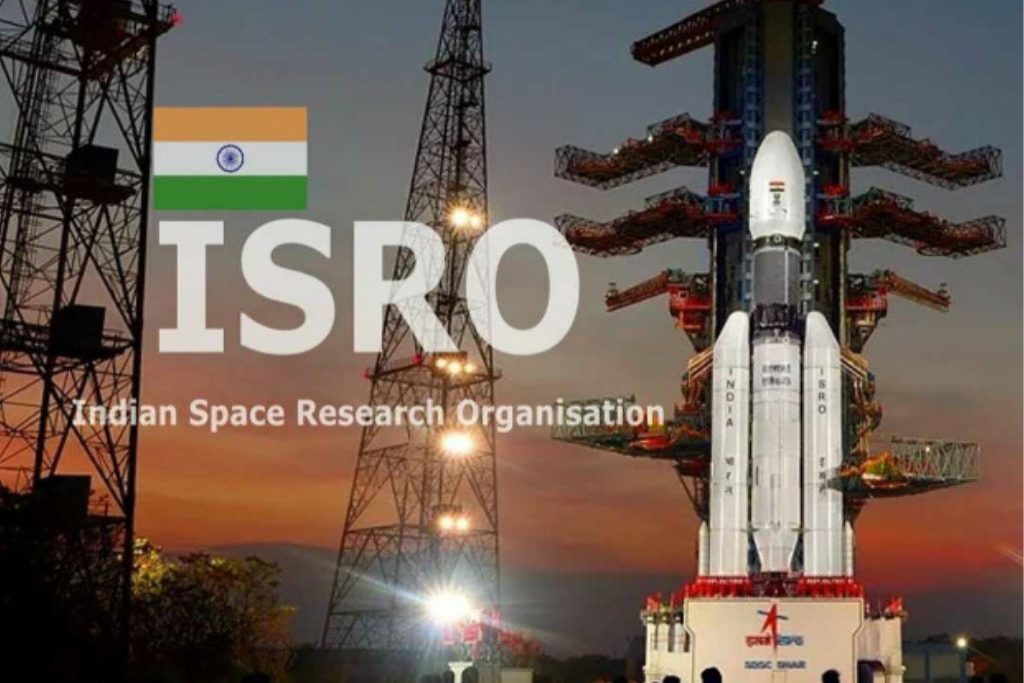
The mission had a number of firsts for India, including being the first Indian spacecraft to reach the Moon’s orbit, and the first to undertake a soft landing on the lunar surface. The data and images collected by Chandrayaan have been invaluable in furthering our understanding of the Moon and will continue to be used by scientists for years to come.
The success of Chandrayaan has also inspired a new generation of young Indians to take up careers in science and technology, which is sure to have a positive impact on India’s presence in space exploration in the years to come.
Conclusion
Chandrayaan Mission 3 has been a remarkable success in advancing space research and technology. It has surpassed all expectations, with its mission to reach the lunar surface and explore the moon’s unexplored regions. The findings of this mission provide invaluable insights into our solar system and could be instrumental in furthering future explorations. With Chandrayaan Mission 3, India has taken a leap forward in its quest for space exploration, demonstrating once again that it is one of the top players in the global space race.