Blast off into a world of wonder as we embark on an extraterrestrial journey through time and space! Get ready to discover the awe-inspiring moon missions that have captivated humanity for decades. From groundbreaking scientific discoveries to heart-pounding lunar landings, join us as we delve into the top 4 moon missions in history. Strap on your astronaut helmet, because this blog post is about to take you on an interstellar adventure like no other!
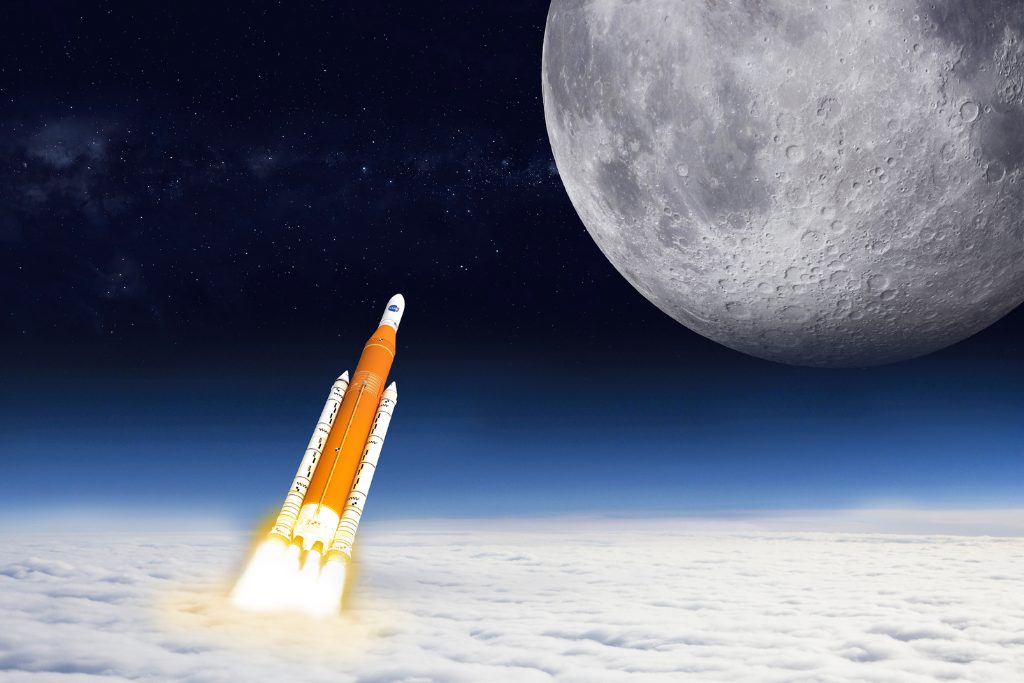
Introduction to the Moon Missions
Since the beginning of time, people have gazed up at the moon in wonder. It’s no surprise, then, that some of humanity’s most impressive feats have been accomplished in the name of lunar exploration. Here are some of the top moon missions in history.
- Apollo 11 (1969): The first manned mission to the moon, Apollo 11 made history when Neil Armstrong became the first person to set foot on another world.
- Apollo 13 (1970): Despite a catastrophic malfunction en route, the crew of Apollo 13 succeeded in returning to Earth safely. Their heroic efforts were dramatized in the 1995 film “Apollo 13” starring Tom Hanks.
- Luna 9 (1966): The Soviet Union’s Luna 9 was the first spacecraft to successfully soft-land on the moon, and it returned some of the first images ever taken from the lunar surface.
- Clementine (1994): A joint project between NASA and the U.S. Department of Defense, Clementine was designed to test new technologies as well as map the moon’s surface in unprecedented detail.
- Lunar Prospector (1998): This NASA mission used an innovative technique called “gravity mapping” to search for water ice on the moon – and found it! – opening up new possibilities for future lunar exploration
Apollo 11: The First Moon Landing
In 1969, the United States successfully placed a human on the moon with the Apollo 11 mission. This event was an incredible achievement, both for the nation and for humanity as a whole. The mission was piloted by Neil Armstrong and Buzz Aldrin, with Michael Collins remaining in orbit around the moon. Armstrong and Aldrin made history by becoming the first humans to walk on the lunar surface.
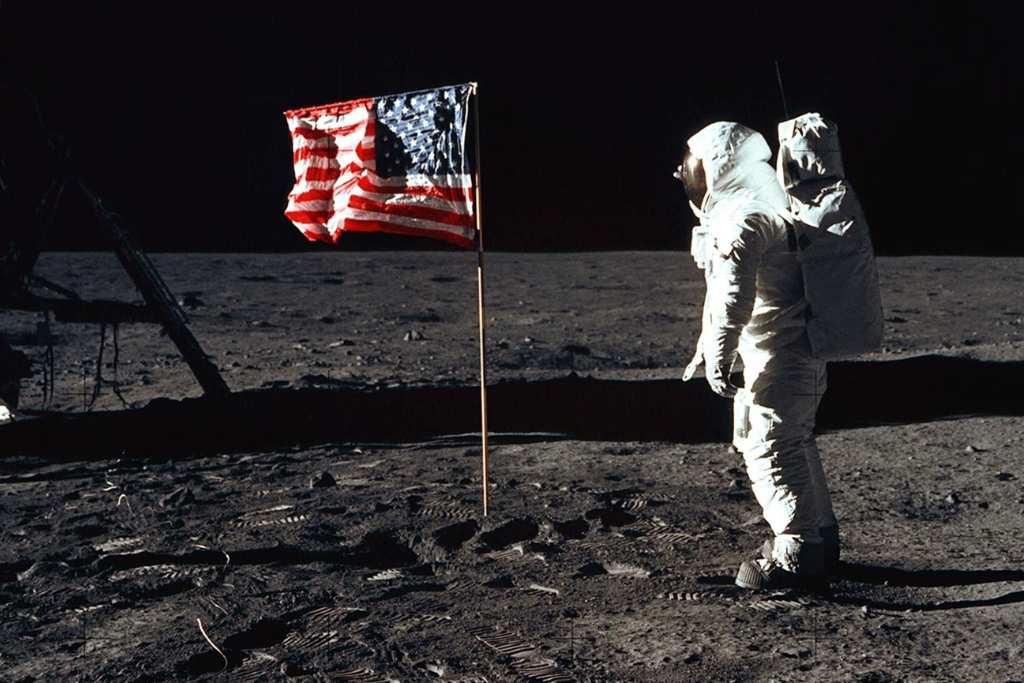
The Apollo 11 mission has been hailed as one of the greatest achievements in human history. It demonstrated that humans are capable of exploring and conquering new frontiers. The mission also had a significant impact on technological development, helping to pave the way for future space exploration.
Apollo 13: The Near Disaster Mission
In 1970, the Apollo 13 mission was launched with the goal of landing on the moon. However, an explosion on the spacecraft forced the astronauts to abort their mission and return to Earth. While the astronauts were safe, the incident was a near disaster for the task.

The explosion occurred when an oxygen tank ruptured on the spacecraft. This caused a loss of power and communication with Mission Control. The astronauts had to ration their supplies and use the lunar module as a lifeboat. They were also able to use the moon’s gravity to slingshot themselves back to Earth.
While the incident was a scare for everyone involved, it showed that NASA could handle crises and continue moving forward with its goals. The Apollo 13 mission is now considered one of the most successful failures in history.
Apollo 16: Third Time’s the Charm
In the spring of 1972, NASA launched Apollo 16, the fifth manned mission to land on the moon and return safely to Earth. This time, the mission had a greater focus on science than the previous two Apollo lunar landing missions. The crew included Commander John Young, Command Module Pilot Ken Mattingly, and Lunar Module Pilot Charlie Duke.
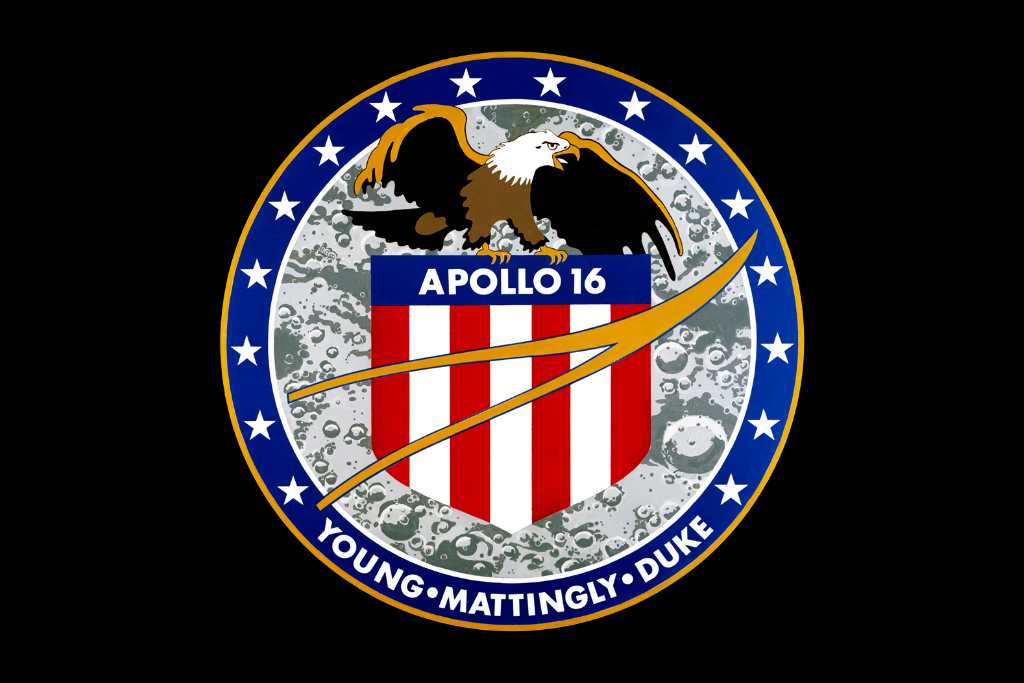
The three astronauts began their journey with a seven-and-a-half-hour flight to Moon orbit. Once they arrived, they began a series of scientific experiments and photographic surveys of the lunar surface. They also collected more than 200 samples of lunar rock and soil.
After spending more than 71 hours on the moon, the crew prepared for their return trip home. They blasted off from the moon’s surface on April 27 and splashed down in the Pacific Ocean on April 30.
The Apollo 16 mission was a resounding success, providing valuable information about the moon’s composition and geological history. It was also an essential step in humanity’s quest to explore and understand our place in the universe.
Apollo 17: Last of the Moon Landings
In December of 1972, Apollo 17 became the last manned mission to land on the moon. The mission was crewed by Captain Eugene Cernan, Commander Ronald Evans, and Lunar Module Pilot Harrison Schmitt. This final mission to the moon was very successful, with the crew spending over three days on the lunar surface and returning with valuable samples and data.
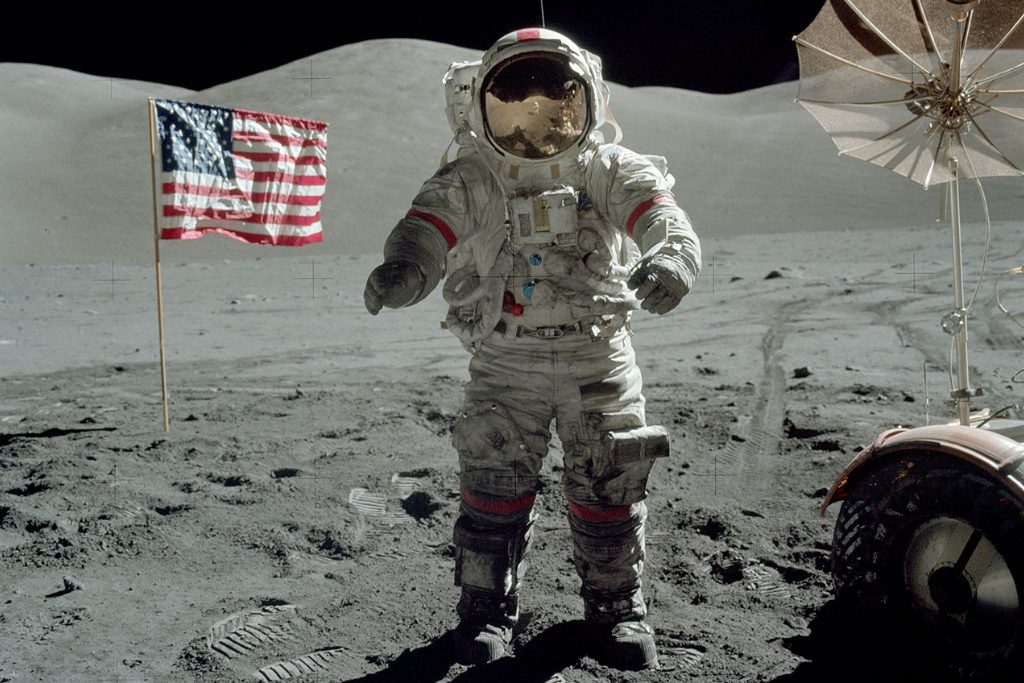
The Apollo 17 mission is significant not only because it was the last manned mission to the moon, but also because it was the longest and most comprehensive lunar mission in terms of scientific investigation. The crew spent over 75 hours on the lunar surface, during which time they conducted numerous experiments and gathered a large amount of data and samples. They also completed a number of extra-vehicular activities (EVAs), including a 7-hour walkabout on the final day.
The Apollo 17 mission was a huge success, providing scientists with invaluable data and samples that have helped to further our understanding of the moon. It is also an important part of history, as it marks the end of an era of space exploration.
My Conclusion
The moon missions of the past have been remarkable feats of science and engineering. From the first human mission to land on the moon, Apollo 11, to China’s Chang’e 4 mission which became the first spacecraft in history to successfully make a soft landing on the far side of our lunar satellite, each mission has offered us incredible insight into humanity’s shared journey beyond planet Earth. As we continue to explore further into space with new technology and ambitious goals, we can look back fondly at these four missions as milestones for mankind. If you are a history lover you must know about the most important archaeological finds in history.