On May 27, 2025, SpaceX reached a significant milestone with the launch of Starship Flight 9. This mission stood out because, for the first time, SpaceX reused its enormous Super Heavy booster—a major step toward making space travel more affordable and routine. The launch took place at Starbase in Texas, and the main goal was to test new ideas and collect valuable information for future missions.

What Made Flight 9 Unique?
The highlight of this mission was the reuse of Booster 14, the lower stage of the rocket. Booster 14 had already completed a previous flight, and this time, only four out of its thirty-three engines were replaced. The rest were reused, showing SpaceX’s commitment to recycling rocket parts. This approach could dramatically lower the cost of reaching space and make launches more frequent.
Instead of attempting to catch the booster with a special tower, SpaceX planned for it to land in the Gulf of Mexico. This allowed engineers to try riskier maneuvers, such as flying the booster at a steeper angle to slow it down with air resistance. If successful, this technique could save fuel for future landings and make rocket recovery even more efficient.
Testing New Ideas with the Starship Upper Stage
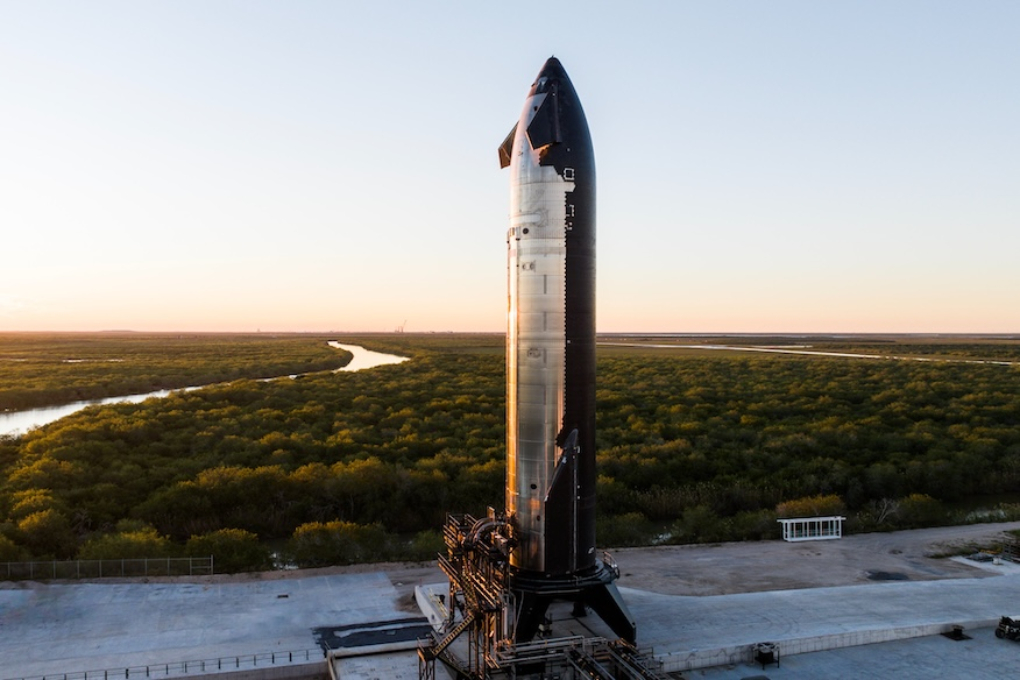
Sitting atop the booster was Ship 35, the upper stage of the rocket. This part of the mission was packed with experiments. Engineers fitted the ship with different heat shield materials and even left some spots bare to see how much heat the vehicle could withstand when re-entering the atmosphere. Ship 35 also carried eight dummy Starlink satellites, giving SpaceX a chance to practice satellite deployment for future flights.
How Did the Mission Unfold?
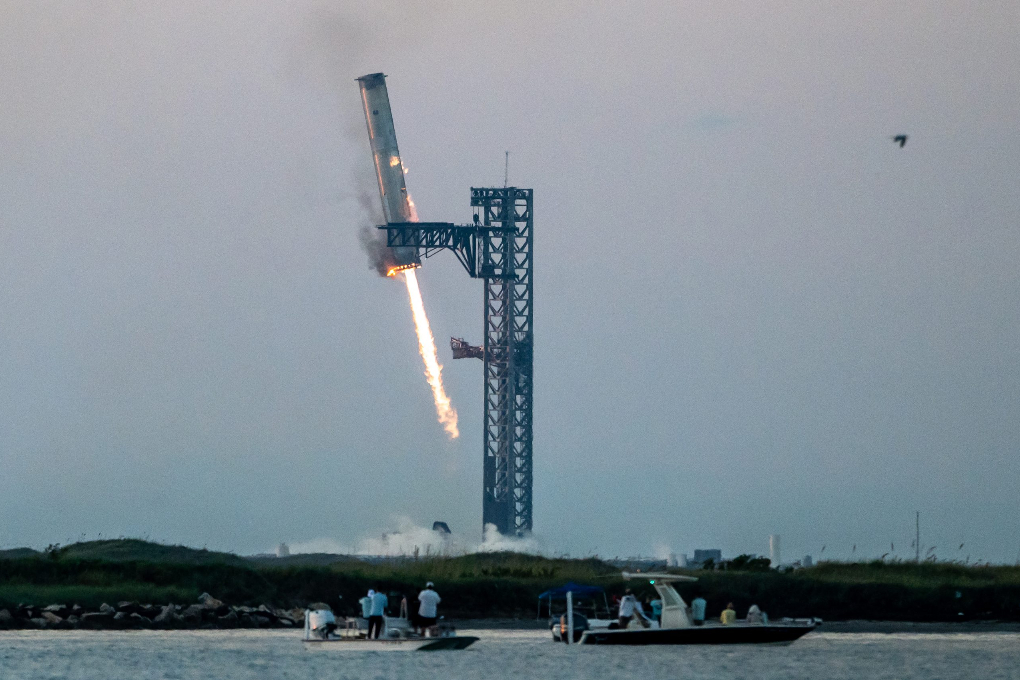
The launch itself went smoothly, with the rocket lifting off and the two stages separating as planned. The Super Heavy booster completed its main tasks but was lost during its landing attempt in the Gulf of Mexico. Although the booster didn’t make a safe landing, the data collected from this test will help SpaceX improve future designs.
The upper stage, Ship 35, successfully reached space—a major achievement in itself. However, the mission faced a few setbacks. The door meant to release the dummy satellites failed to open completely, so the satellites remained onboard. Later, as Ship 35 re-entered Earth’s atmosphere, it lost control and began to tumble, eventually breaking apart over the Indian Ocean.
Why Does This Matter?
Despite the challenges, Starship Flight 9 marked a huge leap forward for reusable rockets. Proving that such a massive booster can fly again is a game-changer for the space industry. Every test, even those with setbacks, helps engineers learn and improve, bringing us closer to a future where space travel is safer and more affordable.
SpaceX isn’t slowing down. The company plans to keep testing and refining Starship, with more flights already in the works. Each mission brings us a step closer to sending people to the Moon, Mars, and perhaps even farther. Starship Flight 9 proved that rocket reusability is more than just a dream—it’s quickly becoming reality, thanks to SpaceX’s determination and innovation.