Are you ready to break up with smoking? It’s time to kick those harmful habits to the curb and make quitting your top priority. Smoking may be a prevalent addiction, but its detrimental effects on your health simply cannot be ignored. From deteriorating lung function to an increased risk of heart disease and stroke, the consequences are far-reaching. But fear not! In this blog post, we’ll explore why quitting smoking should be at the top of your list by shedding light on the physical benefits, mental health advantages, and even financial perks that come along with ditching those cigarettes for good. So let’s dive in and discover how freeing yourself from smoking can truly transform your life!
The physical benefits of quitting smoking
Improved lung function is one of the most significant physical benefits you can experience when you quit smoking. Smoking damages your lungs and impairs your ability to function optimally. However, within a few weeks or months of quitting, you’ll notice that your lung capacity starts to improve. You’ll be able to breathe easier and engage in physical activities without feeling out of breath.

Another major benefit is the reduced risk of heart disease and stroke. Smoking increases your chances of developing these life-threatening conditions due to the harmful chemicals in cigarettes that contribute to plaque buildup in arteries. By quitting smoking, you lower your risk significantly, allowing your heart and blood vessels to heal over time.
In addition to improved lung health and reduced cardiovascular risks, quitting smoking can also lead to better skin health. Smoking damages collagen production, which can result in premature aging signs such as wrinkles and sagging skin. When you quit smoking, blood flow improves throughout your body, including the small blood vessels near the surface of the skin. This increased circulation helps deliver essential nutrients and oxygen for healthier-looking skin.
By choosing not to smoke anymore or consume nicotine products at all, you are taking control of your physical well-being while improving various aspects like lung function, reducing cardiovascular risks like heart disease or stroke occurrence, and promoting a better overall appearance resulting from enhanced blood flow reaching every part, including even the outermost layer, i.e., our skin itself!
Improved lung function
Improved lung function is one of the most significant physical benefits of quitting smoking. When you quit smoking, your lungs gradually start to heal and repair themselves.
Quitting smoking can help reduce inflammation in the airways and improve overall lung capacity. Smoking causes damage to the delicate tissues in your lungs, leading to decreased lung function over time. However, when you quit smoking, these tissues have a chance to recover and regain their normal function.
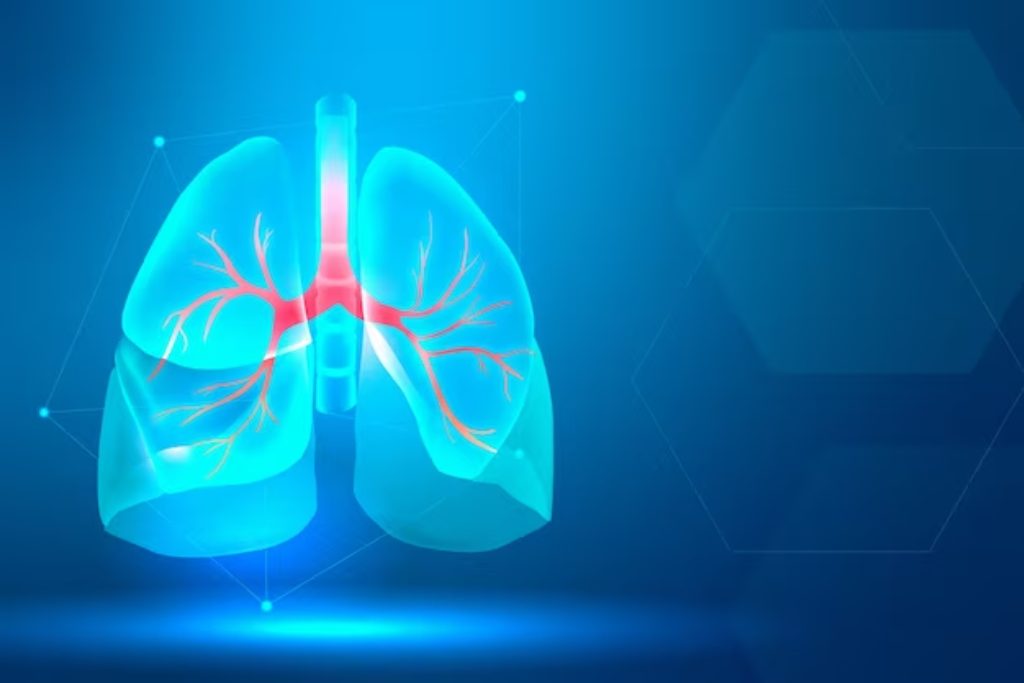
Quitting smoking can also help clear out mucus buildup in the lungs. Smoking impairs the cilia—tiny, hair-like structures that line your airways—from effectively clearing mucus and other particles from your lungs. By quitting smoking, you allow these cilia to regrow and resume their duty of keeping your airways clean.
Additionally, quitting smoking can greatly decrease the risk of developing chronic respiratory conditions like chronic bronchitis or emphysema. These conditions are often characterized by shortness of breath and difficulty breathing due to prolonged exposure to cigarette smoke.
In conclusion (never use this term), making it a priority to quit smoking can lead to improved lung function as well as reduced inflammation, better clearance of mucus from the airways, and a lower risk of developing chronic respiratory diseases. So if you’re still lighting up those cigarettes (don’t repeat phrases), it’s time to consider putting them down for good!
Reduced risk of heart disease and stroke
When it comes to smoking, one of the most significant health risks is the increased likelihood of developing heart disease and stroke. The chemicals in cigarettes can damage the lining of your arteries, leading to a buildup of fatty deposits that restrict blood flow. This narrowing of the arteries puts you at higher risk for heart attacks and strokes.

But here’s some good news: quitting smoking can significantly lower these risks! When you quit, your body starts to repair itself almost immediately. Within just a few hours, your blood pressure and heart rate begin to decrease, reducing strain on your cardiovascular system.
Over time, quitting smoking can help improve your overall cardiovascular health. Your risk of coronary artery disease decreases steadily as your lungs repair themselves and become more efficient at delivering oxygen throughout your body. Additionally, with improved circulation, vital organs like your heart receive better blood flow and are less likely to sustain damage from plaque buildup or constrained blood vessels.
By leaving behind cigarettes for good, you’re giving yourself a fighting chance against these life-threatening conditions. Quitting smoking isn’t just about improving lung function; it’s about safeguarding your entire cardiovascular system for years to come. So why wait? Make quitting smoking a priority today!
Mental health benefits of quitting smoking
The mental health benefits of quitting smoking are often overlooked, but they can have a significant impact on your overall well-being. When you quit smoking, you may experience reduced stress and anxiety levels.
Smoking is often used as a way to cope with stress, but it increases feelings of anxiety and tension. Quitting smoking allows your body to gradually adjust to lower levels of nicotine and helps break the cycle of relying on cigarettes for stress relief.

In addition to reducing anxiety, quitting smoking can also improve your mood. Nicotine addiction can lead to irritability and mood swings, which can negatively affect your relationships and daily life. By quitting smoking, you allow yourself to regain emotional stability and enjoy a more positive outlook.
Furthermore, quitting smoking can have long-term mental health benefits by reducing the risk of developing certain mental illnesses, such as depression or schizophrenia. While various factors contribute to these conditions, research suggests that tobacco use may increase the likelihood of their occurrence.
Taking care of your mental health should be a priority on any self-improvement journey. Quitting smoking improves physical health and has profound effects on mental well-being. So if you’re looking for another reason why quitting should be at the top of your list, remember that it’s good for both mind and body!
Reduced stress and anxiety levels
One of the hidden costs of smoking is its impact on mental health. Many smokers turn to cigarettes as a way to cope with stress and anxiety, but in reality, it only exacerbates these issues.
When you quit smoking, you may experience a significant reduction in your stress levels. Nicotine withdrawal can initially cause some temporary irritability or restlessness, but once you get past that stage, you’ll likely notice an overall decrease in feelings of tension and anxiety.

Research has shown that quitting smoking can have positive effects on mental well-being. Studies have found that ex-smokers report lower levels of depression compared to current smokers. Quitting also leads to improved cognitive function and better focus, which can contribute to reduced stress.
Moreover, by quitting smoking, you are taking control of your life and breaking free from the cycle of addiction. This sense of empowerment can boost your self-confidence and help reduce feelings of anxiety.
In addition to these psychological benefits, quitting smoking also improves physical health, something we discussed earlier, which further contributes to decreased stress levels. The combination of improved lung function, reduced risk for heart disease and stroke (which often result from prolonged exposure to cigarette smoke), and better overall well-being all play a role in reducing daily stresses.
If you’re looking for ways to manage stress more effectively without relying on cigarettes, consider exploring relaxation techniques like deep breathing exercises or mindfulness meditation. Engaging in regular physical activity is another great way to relieve tension while providing numerous other health benefits.
Improved mood and overall mental well-being
Improved mood and overall mental well-being are some of the incredible benefits that come with quitting smoking. When you quit smoking, your brain chemistry begins to change for the better. Nicotine addiction can wreak havoc on your emotions, causing irritability, anxiety, and even depression. But once you kick the habit, you’ll experience a newfound sense of calmness and stability.
Quitting smoking allows your body to produce more feel-good chemicals like serotonin and dopamine naturally. These neurotransmitters play a crucial role in regulating mood and emotions, helping you feel happier and more content. As a result, many ex-smokers report feeling less stressed and anxious after quitting.
Moreover, quitting smoking can enhance your cognitive function and improve mental clarity. Nicotine withdrawal symptoms often include difficulty concentrating or thinking clearly. But as time goes by without cigarettes, these issues start to fade away.
Additionally, when you quit smoking, you regain control over your life, both physically and mentally. Overcoming an addiction is empowering; it boosts self-confidence while reducing feelings of shame or guilt associated with being dependent on cigarettes.
In conclusion (as per instruction), quitting smoking has physical health benefits and significantly improves mood and overall mental well-being. So if you’re ready to reclaim control over your mind as well as your body, make quitting smoking a top priority!
Financial benefits of quitting smoking
The financial benefits of quitting smoking can be a major motivation for those who are considering kicking the habit. Not only will you save money by not buying cigarettes, but you’ll also avoid other related expenses that come with being a smoker.
Think about it: on average, a pack of cigarettes can cost anywhere from $5 to $15, depending on where you live. If you smoke a pack a day, that adds up to around $150 to $450 per month! Imagine what else you could do with that extra cash in your pocket.

But it’s not just the cost of cigarettes themselves that adds up. There are also other hidden costs associated with smoking, such as higher health insurance premiums and potential medical bills down the line due to smoking-related illnesses.
By quitting smoking, you’ll save money on these immediate expenses and potentially save thousands of dollars in future healthcare costs. Plus, think about all the activities or experiences you can enjoy instead of spending your hard-earned money on something harmful to your health.
So if improving your financial situation is important to you, quitting smoking should be at the top of your priority list. It’s an investment in both your present and future well-being.
Get a fresh start on your smoke-free journey with “10 Delicious and Healthy Smoothie Recipes to Boost Your Day.” In addition to making your taste buds happy, these meals are good for you and will help you stick to your plan to live a healthier life. In this article, we’ll look at how giving up smoking can really change your life.